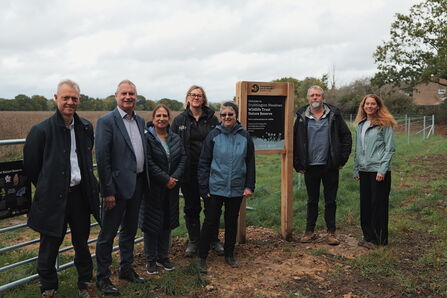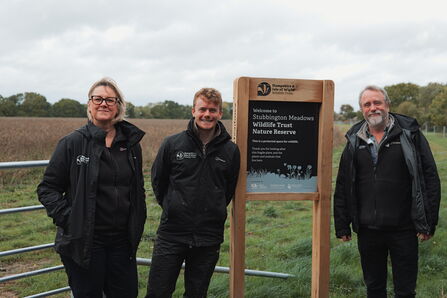
Located near Titchfield Haven National Nature Reserve, within Fareham Borough Council’s area, the land lies in the East Hampshire Rivers catchment and drains into the Solent via the River Meon. Previously used for intensive farming, 20 hectares (49 acres) have been secured for restoration through funding from the Local Nutrient Mitigation Fund (LNMF), ensuring it will no longer contribute to nutrient runoff from fertiliser use.
Now under the care of Hampshire & Isle of Wight Wildlife Trust, the land will be managed to restore wildflower-rich habitats, enhance local biodiversity, and improve the health of the wider landscape. As well as creating new habitats, the project will strengthen ecological connections to the nearby Upper Titchfield Haven Nature Reserve, also owned and managed by the Trust, ensuring coordinated conservation across the area.
Deborah Whitfield, Senior Nature‑Based Solutions Manager for Hampshire & Isle of Wight Wildlife Trust said: “This project shows how working in partnership can transform former farmland into a thriving sanctuary for wildlife. It will also safeguard water quality and contribute to a more resilient natural environment.
“We have already sown the land with native seed mixes, marking the first step in restoring species-rich wildflower meadows. These meadows will benefit a wide variety of pollinators, and provide essential habitat for coastal birds such as brent geese, along with wading birds that rely on wet meadows, including lapwing and curlew.
“This marks the beginning of a long-term effort to create safe, protected spaces where nature can thrive, delivering lasting benefits for the local environment and the wider Solent.”
Keith House, Chair of the Partnership for South Hampshire, said: “Stubbington Meadows is a great example of what we can achieve by working together. It is helping us tackle the impact of nutrients on the Solent while creating a greener space that local people can enjoy.
“What makes this scheme particularly exciting is that it delivers benefits on several fronts, supporting new homes, helping the environment and creating an attractive space for people and wildlife.”
The restoration will generate nitrate credits for developments linked to Budds Farm, Peel Common, and Ashlett Creek wastewater treatment works, helping to mitigate nutrient pollution in the Solent. Excess nutrients like nitrogen and phosphorus, often from agriculture and wastewater, can cause serious damage to rivers, estuaries, and coastal waters by encouraging the overgrowth of algae, which harms aquatic life.
Nutrient neutrality is a way to balance any new nutrient pollution from housing or infrastructure projects by taking steps elsewhere (like restoring wildflower meadows) to reduce or remove the same amount of pollution, protecting the health of sensitive environments like the Solent.
The project will deliver a substantial number of Biodiversity Net Gain (BNG) units. BNG is a requirement in the planning system where developers must ensure that their projects leave nature in a better state than before. This means not just avoiding harm to habitats but actively creating or improving them, such as planting meadows, woodlands, or wetlands, to increase biodiversity. The Stubbington project supports developers in meeting this obligation by providing a location where new habitats can be created to offset environmental impacts elsewhere.
Deborah adds: “This ambitious partnership demonstrates how nature‑based solutions can deliver benefits for wildlife, water quality and local communities while helping meet environmental commitments across the Solent.”
This work forms part of a wider programme of new Solent Mitigation nature reserves, creating a strategic network of grassland sites that will support the Solent Waders and Brent Goose (SWBG) project. Together, these reserves will provide important sanctuary areas for coastal birds and strengthen habitat provision across the Solent.
For more information visit here.